The 2025 ISPE Annual Meeting & Expo took place October 26-29 in Charlotte, North Carolina, bringing together the pharmaceutical industry’s brightest minds for ISPE’s largest event of the year. As proud ISPE members and attendees, the Instruvu team joined over 100 speakers, more than 200 exhibitors, and thousands of industry professionals for four days of cutting-edge education, networking, and innovation.
Charlotte provided the perfect backdrop for this transformative event. The city has rapidly emerged as one of the nation’s leading hubs for pharmaceutical manufacturing, with a thriving ecosystem that combines global companies, innovative startups, world-class research institutions, and a highly skilled workforce. The conference offered both in-person and virtual attendance options, ensuring maximum accessibility for pharmaceutical professionals worldwide.
With 70+ concurrent educational sessions spread across five distinct tracks, over 12 hours of dedicated networking opportunities, and five hands-on workshops, the event delivered comprehensive insights into the future of pharmaceutical manufacturing and quality operations.
This year’s conference centered on Pharma 4.0—the digitalization of pharmaceutical manufacturing from end to end. The integration of artificial intelligence (AI), machine learning (ML), and automation is reshaping how companies approach Chemistry, Manufacturing, and Controls (CMC). These technologies are no longer future concepts but deeply embedded realities transforming pharmaceutical operations today.
The keynote presentation from John Daniel, a heart transplant recipient and veteran human resource executive, powerfully illustrated why quality matters. His personal journey highlighted the critical importance of pharmaceutical manufacturing excellence, reminding attendees that behind every validation study and quality system stands a patient whose life depends on pharmaceutical integrity.
One critical theme emerged throughout the conference: cross-disciplinary collaboration is essential. Manufacturing, quality, IT, and regulatory teams must work together to implement new technologies while maintaining compliance and ensuring organizational readiness for the workforce of the future.
The comprehensive education program offered innovative technical sessions across five carefully curated tracks, each addressing critical areas of pharmaceutical manufacturing and quality assurance.
Sessions in this track explored the technical challenges in manufacturing gene therapies, cell therapies, and tissue-based medicines. Speakers discussed international harmonization opportunities, cost reduction strategies through automation, and modular production approaches. These temperature-sensitive products require meticulous environmental monitoring throughout their entire lifecycle, from development through commercial distribution.
Our specialized biotech and pharma cell and gene therapy mapping services support these critical applications with validated temperature monitoring solutions designed specifically for ATMP manufacturing environments.
This track focused on advances, achievements, and applications in digital transformation. Organizations building digital maturity through well-defined strategies, clear processes, and competent personnel operating within a culture of operational excellence shared their experiences. Sessions covered inventive applications of GAMP approaches to managing computerized systems, including artificial intelligence and machine learning subsystems, along with data integrity by design principles.
This track highlighted best practices in manufacturing operations, continuous improvement methodologies, and quality control innovations. Discussions emphasized how continuous monitoring and validation remain cornerstones of pharmaceutical quality systems, with the industry moving decisively toward predictive quality models rather than reactive approaches.
Regulatory sessions featured pioneering collaboration methods between industry and health authorities, exploring reliance initiatives with a global perspective. Industry leaders discussed how Pharma 4.0 principles can help introduce complex technologies and innovative medicines to patients worldwide more rapidly. Regulators increasingly expect robust, validated environmental monitoring systems with complete data integrity per 21 CFR Part 11 requirements.
This combined track addressed the robustness and adaptive capability of pharmaceutical supply chains to prepare for unexpected events, respond to disruptions, and recover while maintaining operational control. Topics included how Generative AI, supply chain risk management, and cost-to-serve models increase resilience and support environmental sustainability initiatives.
Beyond the educational sessions, the Annual Meeting offered extraordinary networking opportunities. The Sunday Social kicked off the event with beverages and peer connections at the Richardson Ballroom Terrace. The Tuesday Night Celebration at the NASCAR Hall of Fame provided a unique venue for attendees to experience racing simulators while building professional relationships.
The Facility of the Year Awards (FOYA) Banquet celebrated manufacturing excellence, while the Women in Pharma networking event addressed career reinvention, self-doubt, and visibility challenges in the industry. The student and recent graduate Hackathon challenged emerging talent to solve real industry problems, pitching solutions to expert judges and industry leaders.
Throughout the conference, discussions reinforced how temperature mapping and monitoring have evolved from basic compliance activities to strategic quality tools. Modern pharmaceutical facilities require real-time monitoring systems that integrate with digital quality platforms, along with validated temperature mapping studies that meet FDA and EMA requirements. These systems must include data integrity solutions that provide audit trails and electronic records, while continuous monitoring covers storage areas, cleanrooms, and controlled environments. Additionally, qualification services for warehouses, stability chambers, and cold chain operations have become essential components of a comprehensive environmental monitoring program.
The convergence of IoT sensors, cloud platforms, and AI analytics enables predictive quality assurance rather than reactive control. This aligns perfectly with the Pharma 4.0 vision discussed extensively throughout the conference.
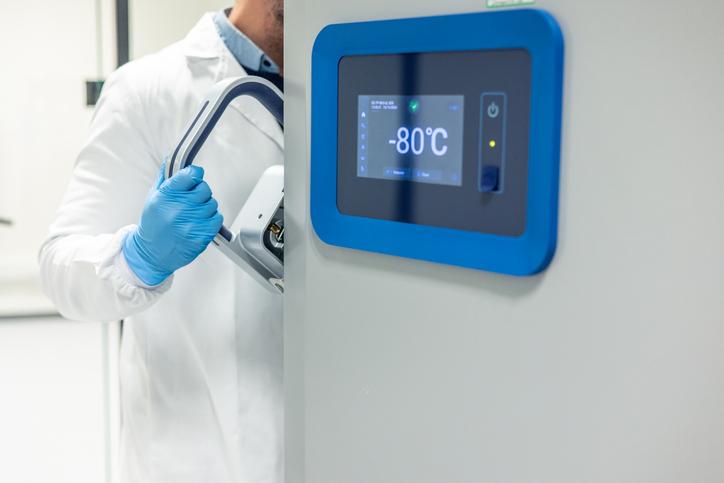
Distribution centers require comprehensive thermal profiling to identify hot and cold spots that could compromise product integrity. Our warehouse temperature mapping services ensure uniform conditions throughout your facility, supporting the supply chain resiliency principles highlighted at the conference. Learnbest practices for pharmaceutical warehouse temperature mapping in our comprehensive guide.
Stability studies depend on precisely controlled environments to generate reliable data supporting shelf-life claims. Our stability cabinet and humidity chamber mapping services provide IQ/OQ/PQ documentation that satisfies regulatory requirements and supports product development timelines.
Temperature excursions during transportation can compromise product integrity and patient safety. Our validation studies protect your supply chain, including refrigerated vehicle temperature mapping that ensures products arrive at their destination within specification.
Critical manufacturing areas, especially those producing ATMPs and other sensitive products, need continuous monitoring with real-time alerts. We design systems that integrate with your quality management platform, providing the digital connectivity essential to Pharma 4.0 operations.
The discussions at ISPE 2025 reinforced a key principle: environmental monitoring protects product integrity, patient safety, and brand reputation in an increasingly digital landscape. Just as John Daniel’s keynote reminded us that patients depend on our commitment to quality, temperature monitoring serves as a critical control point protecting therapeutic efficacy.
Our comprehensive mapping services encompass a wide range of temperature-critical applications. We provide temperature mapping studies for warehouses and distribution centers, stability chambers and incubators,refrigerators and freezers, and ultra-low temperature environments. Each study is conducted using state-of-the-art equipment and documented to regulatory standards that satisfy FDA, EMA, and other global health authority expectations.
For specialized applications, we offer targeted services for biotech, pharma, cell and gene therapy facilities, hospital labs and blood banks, autoclave mapping and validation, and remote warehouse mapping services. These specialized offerings address the unique challenges faced by different pharmaceutical and healthcare environments, from ATMP manufacturing to clinical sample storage.
Our qualification services include comprehensive IQ/OQ/PQ protocols for monitoring systems, equipment validation documentation, and regulatory compliance support. We develop and execute validation protocols that meet current FDA and international regulatory expectations, ensuring your documentation withstands the scrutiny of regulatory inspections.
We also provide continuous monitoring solutions that are 21 CFR Part 11 compliant, featuring real-time alerting and notifications, cloud-based data visualization, and mobile access and reporting capabilities. These systems integrate seamlessly with existing quality management platforms to provide complete visibility into environmental conditions, supporting the digital transformation initiatives discussed throughout the ISPE conference.
Our regulatory support services help clients prepare for FDA and EMA inspections, develop technical documentation, and provide expert consultation services throughout the validation lifecycle. Learn more about all our mapping services or check our FAQ for answers to common questions about temperature monitoring and validation.
Our team brings deep industry expertise and understands pharmaceutical regulations and quality standards inside and out. We stay current with regulatory trends and industry best practices through active participation in professional organizations like ISPE, ensuring our services reflect the latest guidance and expectations. We use advanced technology with state-of-the-art equipment calibrated to NIST standards, ensuring accuracy and reliability in every study we conduct.
Every project includes comprehensive documentation with detailed reports that satisfy regulatory requirements and support inspection readiness. Our reports include complete sensor placement rationales, raw data, analysis, and recommendations that demonstrate scientific rigor and regulatory compliance. We pride ourselves on fast turnaround times, working efficiently to minimize downtime and support your project timelines without compromising quality or documentation standards.
Beyond the initial engagement, we provide ongoing support from initial mapping to continuous monitoring, serving as your long-term partner in environmental monitoring excellence. Many of our clients return to us year after year for requalification studies, expansions, and new projects because they trust our expertise and appreciate our commitment to their success.
Learn more about Instruvu and our commitment to pharmaceutical quality excellence that aligns with the Pharma 4.0 vision showcased at ISPE 2025.
The pharmaceutical industry’s future is digital, data-driven, and quality-focused, as clearly demonstrated at the 2025 ISPE Annual Meeting. Your temperature monitoring program should reflect these priorities while maintaining the rigorous validation standards that protect patients.
Whether you’re upgrading facilities to support ATMP manufacturing, implementing new digital monitoring technologies, preparing for regulatory inspections, or expanding your distribution network, our team brings expertise and cutting-edge tools to ensure compliance and operational excellence.
Ready to optimize your pharmaceutical temperature monitoring? Contact Instruvu today to discuss how our comprehensive mapping and validation services can support your Pharma 4.0 transformation and operational excellence goals.
Schedule a consultation to speak with a temperature validation specialist about your specific needs and how we can support your quality objectives.
About Instruvu: Proud ISPE members committed to advancing pharmaceutical quality through innovative temperature monitoring and validation services. Visit our services page to learn more.

Call (888) 983-8439 or fill out the form and an expert will be in touch.